Gallbladder Surgery

Laparoscopic Surgery for Gallbladder Disease at GHC Superspeciality Hospital:

Laparoscopic surgery has revolutionized the treatment of gallbladder disease, offering a minimally invasive alternative to traditional open surgery. At GHC Superspeciality Hospital in Thane and Mumbra, we specialize in performing laparoscopic cholecystectomy to treat gallbladder conditions, such as gallstones and cholecystitis. This advanced technique not only improves patient outcomes but also enhances the overall patient experience by reducing recovery times, minimizing complications, and ensuring better post-surgery care.

In this blog, we’ll explore how laparoscopic surgery improves the treatment of gallbladder disease and why choosing GHC Superspeciality Hospital ensures the best possible results for patients in Thane and Mumbra.

Understanding Gallbladder Disease

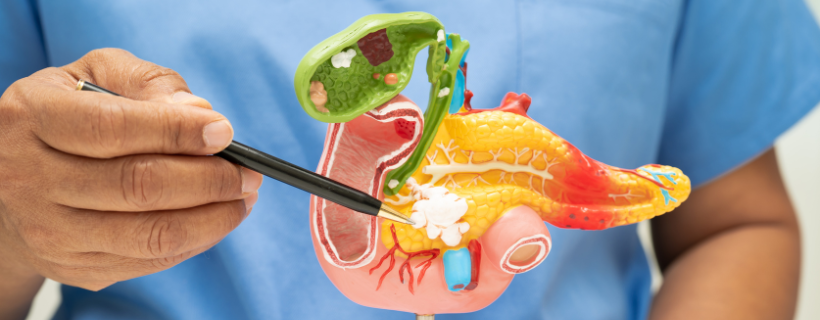
Gallbladder disease primarily refers to conditions that affect the gallbladder, an essential organ for bile storage and fat digestion. The most common gallbladder issues include gallstones (hardened deposits that form in the gallbladder) and cholecystitis (inflammation of the gallbladder).

Symptoms of gallbladder disease often include:

  • Severe abdominal pain (especially after eating fatty meals)
  • Nausea and vomiting
  • Indigestion and bloating

If left untreated, gallbladder disease can lead to serious complications like gallbladder rupture or pancreatitis, requiring immediate medical intervention.

Traditional Treatment Options

Historically, gallbladder disease was treated through open surgery, which required large incisions and extended recovery periods. This method had a higher risk of infection and complications, especially for patients with pre-existing health conditions.

At GHC Superspeciality Hospital, we focus on the most modern techniques to provide the best patient outcomes, including laparoscopic surgery for gallbladder removal.

What is Laparoscopic Surgery?

A Minimally Invasive Approach

Laparoscopic surgery is a minimally invasive procedure that uses small incisions (typically 3-4) through which a camera and specialized instruments are inserted to perform the surgery. This approach allows surgeons to visualize the area with high precision, removing the gallbladder without making large cuts.

How Laparoscopic Surgery Differs from Traditional Surgery

Unlike open surgery, which requires a long incision across the abdomen, laparoscopic surgery uses tiny incisions. This not only reduces pain but also speeds up recovery. Laparoscopic surgery can be performed in a day-care surgery setting, meaning patients can return home the same day or the following day.

Benefits of Laparoscopic Surgery for Gallbladder Disease

  1. Faster Recovery Time

One of the main advantages of laparoscopic surgery is the reduced recovery time. Since the incisions are smaller and there is less trauma to the body, patients experience quicker healing. In most cases, patients can return to normal activities within 1-2 weeks as opposed to 6-8 weeks with traditional surgery.

  1. Reduced Risk of Infection

The small incisions used in laparoscopic surgery decrease the exposure of internal tissues to the external environment, leading to a significantly lower risk of infection compared to traditional open surgery.

  1. Less Pain and Scarring

Due to the minimally invasive nature of laparoscopic surgery, patients typically experience less post-operative pain. Additionally, the incisions are smaller, leading to minimal scarring and a more aesthetically pleasing result.

Improved Patient Outcomes at GHC Superspeciality Hospital

  1. Quicker Return to Daily Activities

At GHC Superspeciality Hospital in Thane and Mumbra, our laparoscopic gallbladder surgeries are designed to offer minimal disruption to your daily life. Patients can often resume work and normal activities much sooner than with traditional open surgery, which can be particularly beneficial for those with busy schedules or family obligations.

  1. Shorter Hospital Stays

Most patients undergoing laparoscopic gallbladder surgery are able to leave the hospital within 24-48 hours of the procedure. This not only saves time but also reduces the risk of hospital-acquired infections, providing a better overall recovery experience.

  1. Lower Risk of Complications

Laparoscopic surgery has a lower risk of complications like bleeding, infections, and bile leakage. At GHC Superspeciality Hospital, our highly skilled surgeons use advanced techniques to ensure the safest and most effective treatment for gallbladder disease.

Why Choose GHC Superspeciality Hospital for Laparoscopic Gallbladder Surgery?

  1. Expertise of Our Surgical Team

At GHC Superspeciality Hospital, we pride ourselves on having a team of highly experienced surgeons who specialize in laparoscopic surgeries. Our experts provide personalized care to ensure the best surgical outcomes for each patient. Our hospital is equipped with the latest state-of-the-art equipment, ensuring optimal results for gallbladder surgeries.

  1. Comprehensive Care and Support

From the initial consultation to post-surgery follow-up, we offer comprehensive care at every step of the treatment process. At GHC Superspeciality Hospital, patients receive continuous support and guidance to ensure smooth recovery.

The Laparoscopic Cholecystectomy Procedure

Laparoscopic cholecystectomy is the standard procedure for removing the gallbladder in patients suffering from gallbladder disease. The process typically involves the following steps:

  1. Anesthesia: The patient is given general anesthesia to ensure they are comfortable and pain-free throughout the procedure.
  2. Incision and Insertion of Laparoscope: A small incision is made near the belly button, and a laparoscope (a thin tube with a camera) is inserted to provide a clear view of the gallbladder.
  3. Insertion of Surgical Instruments: Additional small incisions are made to insert specialized surgical instruments. These instruments are used to carefully detach the gallbladder from its surrounding structures.
  4. Gallbladder Removal: The gallbladder is then removed through one of the small incisions.
  5. Closing the Incisions: Once the gallbladder is removed, the incisions are closed with sutures or staples.

Conclusion 

Laparoscopic surgery for gallbladder disease has transformed the way patients receive treatment, offering significant advantages over traditional open surgery. At GHC Superspeciality Hospital in Thane and Mumbra, patients can access expert care from experienced surgeons who use the latest technology and techniques to ensure the best possible outcomes. With faster recovery times, minimal scarring, and lower risk of complications, laparoscopic surgery is an excellent choice for individuals suffering from gallbladder disease.

If you or a loved one is dealing with gallbladder disease and are seeking an effective, minimally invasive treatment option, consider consulting with the experts at GHC Superspeciality Hospital. Your path to recovery begins with the right care!

What is Coronary Artery Disease? Understanding Symptoms and Treatment Options at GHC Hospital

Coronary Artery Disease (CAD) is a leading cause of heart-related health problems worldwide, significantly impacting the quality of life of those affected. Early detection and effective treatment of this condition are crucial in preventing severe complications, such as heart attacks. At GHC Hospital, we offer a comprehensive approach to the treatment of CAD, combining advanced diagnostics, personalized care, and cutting-edge treatment options. This blog will help you understand what CAD is, its symptoms, and the treatment options available at GHC Hospital.

What is Coronary Artery Disease?

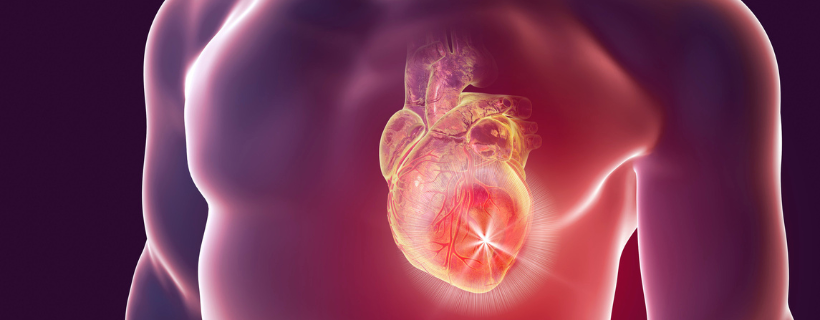
Coronary Artery Disease (CAD) occurs when the coronary arteries, which supply oxygenated blood to the heart muscle, become narrowed or blocked. This condition is primarily caused by the accumulation of fatty deposits, known as plaque, inside the arterial walls, a process called atherosclerosis. Over time, this plaque can harden, reducing blood flow to the heart and leading to chest pain, shortness of breath, or even a heart attack.

When the arteries become severely blocked, the heart muscle may not get enough oxygen, which can result in chest pain or angina pain. If left untreated, CAD can cause irreversible damage to the heart muscle, ultimately leading to a heart attack or heart failure.

Understanding the progression of coronary artery disease is critical for its early intervention. Early detection allows for the use of treatment options that can reduce symptoms and prevent complications, such as heart attacks.

Symptoms of Coronary Artery Disease: What to Look For

The symptoms of coronary artery disease can vary from person to person, but some of the most common ones include:

  1. Chest Pain (Angina): One of the hallmark symptoms of CAD, chest pain often occurs when the heart doesn’t get enough oxygen-rich blood. The pain can feel like pressure, tightness, or heaviness in the chest, and may radiate to the shoulders, arms, neck, or jaw.
  2. Shortness of Breath: As the heart’s ability to pump blood diminishes, it can lead to feelings of breathlessness, especially during physical activity or exertion.
  3. Fatigue: Inadequate blood supply to the heart can make you feel unusually tired or fatigued, especially during physical exertion.
  4. Heart Attack Symptoms: If the blockage is severe enough, it can lead to a heart attack. The symptoms of a heart attack include severe chest pain, pain radiating to the left arm, back, or jaw, cold sweats, nausea, and dizziness.

Other symptoms may include dizziness, lightheadedness, nausea, and cold sweats. It’s important to recognize the early warning signs of heart disease to seek help before the condition progresses to more severe stages.

Heart Disease Diagnosis: How GHC Hospital Helps

Diagnosing Coronary Artery Disease early is vital in preventing complications like heart attacks. At GHC Hospital, we offer comprehensive heart disease screenings and diagnostic tests to evaluate the severity of CAD. Our diagnostic procedures include:

  1. Coronary Angiogram: A coronary angiogram is an imaging procedure that uses X-rays and a special dye to visualize the coronary arteries. This helps to identify areas of coronary artery blockage and determine the severity of the disease.
  2. Cardiac Catheterization: This procedure involves inserting a thin tube (catheter) into a blood vessel in the arm or leg and threading it to the coronary arteries. It helps to assess the flow of blood through the arteries and identify blockages or abnormalities.
  3. Stress Testing: Stress tests help assess how well the heart functions under physical stress. This is particularly useful for diagnosing heart disease risk factors in patients who may not have clear symptoms.
  4. Echocardiogram: This non-invasive ultrasound test allows cardiologists to visualize the heart’s structure and function, helping diagnose heart disease and the effects of CAD.

At GHC Hospital, cardiology consultations play a key role in diagnosing CAD. During a consultation, our experts review your medical history, conduct physical examinations, and determine the best diagnostic approach based on your symptoms and risk factors.

Treatment Options for Coronary Artery Disease

Once coronary artery disease is diagnosed, the next step is treatment. Treatment varies depending on the severity of the disease and the symptoms presented by the patient. Some of the most common treatment options for CAD include lifestyle changes, medications, interventional procedures, and surgery.

Lifestyle Modifications and Heart Disease Prevention

The first step in managing CAD is making lifestyle changes. Healthy heart lifestyle practices, such as adopting a balanced diet, engaging in regular physical activity, and maintaining a healthy weight, are crucial in managing CAD and preventing further progression of the disease.

Heart disease prevention strategies at GHC Hospital include:

  • Eating a Heart-Healthy Diet: A diet low in saturated fats, cholesterol, and sodium helps manage blood pressure and cholesterol levels, reducing the risk of CAD. Incorporating more fruits, vegetables, whole grains, and lean proteins into your meals is vital.
  • Regular Exercise: Regular physical activity improves heart health by strengthening the heart muscle, reducing stress, and improving blood circulation.
  • Quitting Smoking: Smoking accelerates the progression of atherosclerosis and contributes to artery narrowing. Quitting smoking significantly lowers the risk of heart disease.
  • Stress Management: Chronic stress can raise blood pressure and contribute to heart disease. Stress-reduction techniques such as yoga, meditation, and deep breathing can improve heart health.
Medications for CAD

In addition to lifestyle modifications, medications are often prescribed to manage symptoms and slow the progression of CAD. Common medications for heart disease treatment include:

  • Statins: These medications lower cholesterol levels, preventing further plaque buildup in the arteries.
  • Aspirin: Aspirin helps reduce the risk of blood clot formation and prevents blockages in the arteries.
  • Beta-blockers: These medications reduce the heart’s workload, helping to prevent angina pain and reduce the risk of heart attacks.

Interventional Procedures: Angioplasty and Stenting

In some cases, lifestyle changes and medications may not be enough to manage CAD. Angioplasty treatment is a minimally invasive procedure used to open blocked or narrowed coronary arteries. A catheter with a balloon is inserted into the blocked artery, and the balloon is inflated to widen the artery and restore blood flow. After angioplasty, a coronary stent is often placed to keep the artery open and prevent it from narrowing again.

Surgical Treatment Options for CAD

When CAD is advanced or other treatments are not effective, heart bypass surgery may be necessary. This surgery involves creating a new route for blood to flow around blocked arteries, bypassing the obstruction and improving blood supply to the heart.

At GHC Hospital, we specialize in minimally invasive heart surgery, which uses smaller incisions and advanced techniques to reduce recovery time and minimize complications.

Heart Attack Prevention and Post-Surgery Care at GHC

Preventing a heart attack is the primary goal in treating CAD. At GHC Hospital, we provide comprehensive care to help patients recover after surgery and reduce the risk of future heart problems. Our post-surgery care for CAD includes personalized rehabilitation programs designed to help patients regain strength, improve cardiovascular fitness, and adopt a healthier lifestyle.

Our cardiac rehabilitation program focuses on exercise, nutrition counseling, stress management, and education to support long-term heart health

Why Choose GHC Hospital for CAD Treatment?

GHC Hospital is a leading healthcare facility in Thane with a team of experienced cardiologists and state-of-the-art diagnostic and treatment options for Coronary Artery Disease. We offer comprehensive care, from heart disease screenings at GHC to heart bypass surgery and cardiology consultations. Our team is committed to providing the highest quality care, focusing on prevention, early diagnosis, and personalized treatment plans for every patient.

Conclusion: Take Charge of Your Heart Health Today

If you experience symptoms of coronary artery disease, such as chest pain or shortness of breath, or if you have a family history of heart disease or other heart disease risk factors, it’s important to seek medical attention as soon as possible. At GHC Hospital, we provide the expertise and advanced technology to diagnose and treat CAD effectively, ensuring the best possible outcomes for our patients.

By choosing GHC Hospital for your cardiology consultation and heart disease management, you’re taking the first step toward better heart health. Schedule an appointment with our expert cardiologists today and start your journey toward a healthier, heart-healthy life.

Back Pain That Won’t Go Away? It Could Be a Herniated Disc or Scoliosis

Back pain is one of the most common health issues people face, but when it persists for weeks or months, it could be indicative of a more serious underlying condition. Chronic back pain is not something you should ignore, especially if it disrupts your daily life. Conditions like herniated discs and scoliosis can lead to long-term discomfort and pain, but with the right treatment options, you can regain control over your spinal health. At GHC Hospital, a super speciality hospital in Mumbra, Thane, we offer comprehensive care for these conditions and more, with expert spine surgeons in Thane and orthopedic surgeons in Thane ready to assist you.

Understanding Herniated Discs and Their Impact on Back Pain

A herniated disc, also known as a slipped or ruptured disc, occurs when one of the rubbery cushions (discs) between your vertebrae slips out of place or ruptures. This condition can lead to severe back pain, especially when the displaced disc puts pressure on surrounding nerves. The pain often radiates to other parts of the body, such as the legs, arms, or even the feet.

The symptoms of a herniated disc can vary depending on the location of the injury, but some common signs include:

  • Persistent back pain, especially in the lower back or neck area
  • Radiating pain down one leg or arm
  • Numbness or tingling in the limbs
  • Muscle weakness
  • Difficulty moving or bending without pain

In some cases, a herniated disc may cause sciatica, where pain travels down the sciatic nerve, affecting the lower back, hips, and legs. If left untreated, a herniated disc can lead to more serious complications, such as nerve damage. Therefore, early diagnosis and treatment are crucial. At GHC Hospital, our spine surgeons in Thane use advanced diagnostic tools and treatment options to accurately diagnose and treat herniated discs, ensuring the best outcomes for our patients.

Scoliosis: A Common Yet Often Overlooked Cause of Chronic Back Pain

Scoliosis is a condition that causes an abnormal curvature of the spine, leading to a “C” or “S” shape rather than a straight line. This condition can develop during childhood or adolescence, but adults may experience its effects as well. When left untreated, scoliosis can worsen over time, leading to chronic pain, discomfort, and other complications.

Common symptoms of scoliosis include:

  • Uneven shoulders or hips
  • Chronic back pain that gets worse over time
  • Difficulty standing up straight or walking
  • Muscle spasms
  • Limited range of motion

In severe cases, scoliosis can affect the lungs, heart, and digestive system due to the abnormal curvature of the spine. Therefore, timely treatment is essential to manage the condition effectively. Orthopedic surgeons in Thane at GHC Hospital specialize in treating scoliosis, using both non-surgical and surgical approaches tailored to the severity of the condition.

Recognizing the Symptoms: When Should You See a Spine Specialist?

If you’re experiencing persistent back pain or suspect you may have a herniated disc or scoliosis, it’s important to seek medical attention from an experienced spine surgeon in Thane. Some of the most common signs of these conditions include:

  • Chronic pain that persists for weeks or months
  • Difficulty moving or performing daily activities due to pain
  • Numbness, tingling, or weakness in the legs or arms
  • Posture changes such as uneven shoulders or hips
  • Limited flexibility in the spine

Ignoring these symptoms can lead to further complications and a decline in overall health. At GHC Hospital, we offer comprehensive diagnostic services to help identify the root cause of your pain, including advanced imaging and consultations with top orthopedic surgeons in Thane

How to Treat Herniated Discs and Scoliosis: Treatment Options

Effective treatment for herniated discs and scoliosis varies based on the severity of the condition. At GHC Hospital, we offer both non-surgical and surgical treatment options to address these conditions, ensuring each patient receives the most appropriate care.

Non-Surgical Treatments

For many patients with herniated discs or scoliosis, non-surgical treatments can provide relief and improve spinal health. Some common non-surgical approaches include:

  • Physical Therapy for Back Pain: Physical therapy is one of the most effective ways to treat back pain associated with herniated discs and scoliosis. At GHC Hospital, our skilled physical therapists design customized exercise programs that target the muscles surrounding the spine to strengthen and stabilize the back. Regular physical therapy can reduce pain, improve mobility, and prevent future injuries.
  • Medications: Nonsteroidal anti-inflammatory drugs (NSAIDs), muscle relaxants, and prescription pain relievers can help manage inflammation and pain. These medications are often used as a short-term solution while working on more long-term treatments like physical therapy.
  • Epidural Steroid Injections: In cases of severe pain, an epidural steroid injection may be recommended. The injection targets the affected area of the spine, reducing inflammation and providing temporary relief.

Surgical Treatments

In more severe cases of herniated discs or scoliosis, surgery may be necessary. At GHC Hospital, our spine surgeons in Thane are highly skilled in performing advanced spinal surgeries. Some common surgical options include:

  • Spinal Fusion: This procedure is typically used for severe scoliosis or cases where the herniated disc does not respond to conservative treatments. It involves fusing two or more vertebrae together to provide stability and reduce pain.
  • Discectomy: For herniated discs, a discectomy involves the removal of the damaged portion of the disc that is pressing on the nerves. This procedure can alleviate pain and improve mobility.
  • Laminectomy: In cases of severe nerve compression, a laminectomy may be performed to remove part of the vertebrae to relieve pressure on the spinal cord and nerves.
GHC Hospital: Your Partner in Spinal Health

At GHC Hospital, our expert orthopedic surgeons use state-of-the-art surgical techniques to ensure the best possible outcomes, minimizing recovery times and complications.
GHC Hospital: Your Partner in Spinal Health

At GHC Hospital, we are committed to providing the highest quality orthopedic and spine care to the residents of Mumbra, Thane. Our spine surgeons in Thane and orthopedic surgeons in Thane are experts in treating conditions like herniated discs and scoliosis, using the latest techniques and technologies to ensure the best possible outcomes for our patients. Whether you’re seeking non-surgical treatments or considering surgery, we are here to help.

Ready to Find Relief?

If you’re struggling with chronic back pain, don’t wait any longer. Contact GHC Hospital today to schedule a consultation with our expert spine surgeons in Thane and take the first step towards a pain-free life.

Pediatric Neurosurgery

Pediatric Neurosurgery: Common Conditions and Surgical Interventions

Pediatric neurosurgery is a specialized field of medicine dedicated to treating neurological conditions in children. At GHC Hospitals, a leading multispecialty hospital, our expert team of pediatric neurosurgeons is committed to providing the highest level of care for young patients. This article explores some of the most common conditions treated in pediatric neurosurgery, including hydrocephalus, spina bifida, and epilepsy, as well as the surgical interventions used to address them.

Understanding Pediatric Neurosurgery

Pediatric neurosurgery involves the diagnosis and surgical treatment of neurological disorders in infants, children, and adolescents. These conditions often differ from those seen in adults and require a unique approach tailored to the delicate and developing nervous system of children. Pediatric neurosurgeons at GHC Hospitals are specially trained to handle these complex cases with the utmost care and precision.

Common Conditions in Pediatric Neurosurgery

  1. Hydrocephalus: Hydrocephalus is a condition characterized by an abnormal accumulation of cerebrospinal fluid (CSF) within the brain’s ventricles. This can lead to increased intracranial pressure, causing the head to enlarge and potentially leading to brain damage if left untreated.
Symptoms of Hydrocephalus:

Symptoms can vary depending on the child’s age but often include rapid head growth, bulging fontanelle (soft spot on the head), vomiting, irritability, and developmental delays.

Surgical Intervention:

The most common surgical treatment for hydrocephalus is the placement of a ventriculoperitoneal (VP) shunt. This device helps divert excess CSF from the brain to the abdomen, where it can be absorbed by the body. Another advanced option is endoscopic third ventriculostomy (ETV), a procedure that creates a new pathway for CSF to flow, reducing pressure in the brain.

  1. Spina Bifida:

Spina bifida is a birth defect where the spine and spinal cord do not form properly. It is part of a group of conditions known as neural tube defects. The severity of spina bifida can range from mild to severe, depending on the size and location of the defect.

Types of Spina Bifida:

The most common types are spina bifida occulta (the mildest form), meningocele (where the protective covering of the spinal cord protrudes through the spine), and myelomeningocele (the most severe form, where both the spinal cord and its protective covering protrude).

Surgical Intervention:

Surgery for spina bifida typically involves closing the defect shortly after birth to prevent infection and further damage to the spinal cord. In some cases, prenatal surgery may be recommended to repair the defect before the baby is born, improving outcomes.

  1. Pediatric Epilepsy: Epilepsy is a neurological disorder characterized by recurrent, unprovoked seizures. In children, epilepsy can have various causes, including genetic factors, brain malformations, and previous brain injuries.
Symptoms of Pediatric Epilepsy:

Seizure symptoms can vary widely, ranging from brief periods of staring to full-body convulsions. Children with epilepsy may also experience developmental delays and learning difficulties.

Surgical Intervention:

When medications fail to control seizures, surgical options may be considered. One common procedure is a resection surgery, where the part of the brain responsible for seizures is removed. Another option is vagus nerve stimulation (VNS), where a device is implanted to send electrical impulses to the brain, reducing the frequency of seizures.

The Importance of Early Diagnosis and Intervention

Early diagnosis and intervention are crucial in paediatric neurosurgery. Conditions like hydrocephalus, spina bifida, and epilepsy can have significant impacts on a child’s development and quality of life if not addressed promptly. At GHC Hospitals, we emphasise the importance of regular check-ups and early screenings to detect these conditions as soon as possible.

The Role of Advanced Technology in Pediatric Neurosurgery

Advancements in medical technology have significantly improved the outcomes of paediatric neurosurgery. At GHC Hospitals, we utilise state-of-the-art imaging techniques, such as MRI and CT scans, to diagnose and plan surgeries with precision. Intraoperative monitoring and navigation systems further enhance the safety and effectiveness of surgical interventions, ensuring the best possible outcomes for our young patients.

  1. Minimally Invasive Techniques:

Minimally invasive surgical techniques have revolutionised paediatric neurosurgery, allowing for smaller incisions, less pain, and faster recovery times. These techniques are particularly beneficial for children, reducing the physical and emotional stress associated with surgery.

  1. Robotic-Assisted Surgery:

Robotic-assisted surgery is becoming increasingly common in paediatric neurosurgery. This technology allows for greater precision and control during complex procedures, leading to better outcomes and fewer complications.

Conclusion: Trust GHC Hospitals for Your Child’s Neurosurgical Care

Pediatric neurosurgery is a delicate and complex field that requires specialized expertise and a compassionate approach. At GHC Hospitals, we are committed to providing the highest quality of care for our young patients, using the latest technology and techniques to ensure the best possible outcomes.

If your child is facing a neurological condition, trust the experts at GHC Hospitals to guide you through the journey with care and expertise. Contact us today to learn more about our pediatric neurosurgery services and how we can help your child achieve a brighter, healthier future.

GHC Neurosurgery Recovery Tips

Navigating Life After Neurosurgery: Recovery Tips and Patient Stories

Undergoing neurosurgery is a significant milestone, and the journey to recovery can be both challenging and rewarding. At GHC Hospitals, a leading multispecialty hospital, we are dedicated to providing our patients with comprehensive care that extends beyond the operating room. In this article, we offer valuable insights into the recovery process after neurosurgery, with tips on rehabilitation, mental health, and inspiring patient stories that highlight the resilience and determination of those who have walked this path.

Understanding the Recovery Process After Neurosurgery

Recovery after neurosurgery varies greatly depending on the type of surgery, the patient’s overall health, and the complexity of the condition being treated. However, there are common stages and considerations that most patients will experience during their recovery journey.

  1. Immediate Postoperative Care:

After surgery, patients are typically monitored in an intensive care unit (ICU) to ensure their vital signs are stable. The immediate postoperative period is crucial for preventing complications such as infections, bleeding, or swelling in the brain. At GHC Hospitals, our team of experienced neurosurgeons and nurses work closely to provide round-the-clock care during this critical phase.

  1. Hospital Stay and Initial Recovery:

Depending on the complexity of the surgery, patients may need to stay in the hospital for several days or weeks. During this time, they will begin physical therapy and other forms of rehabilitation to regain strength and mobility. Pain management, wound care, and monitoring for any signs of complications are key components of this phase.

  1. Transitioning Home:

Once the patient is stable and able to manage basic activities, they are discharged from the hospital. However, the recovery process continues at home, where patients must follow specific instructions regarding medication, activity levels, and follow-up appointments. It’s essential to have a strong support system in place during this time.

Tips for a Successful Recovery After Neurosurgery

Recovering from neurosurgery requires patience, persistence, and a proactive approach to rehabilitation. Here are some practical tips to help patients navigate this crucial phase of their journey.

  1. Follow Your Doctor’s Instructions:

Adhering to the guidance provided by your neurosurgeon is vital for a smooth recovery. This includes taking prescribed medications, attending follow-up appointments, and following any activity restrictions. Patients should also be vigilant about monitoring their symptoms and reporting any concerns to their healthcare team.

  1. Prioritise Rest and Sleep:

The brain needs time to heal after surgery, and rest is an essential part of the recovery process. Ensure you get plenty of sleep and avoid activities that could cause fatigue or stress. Creating a calm and comfortable environment at home can promote better rest.

  1. Engage in Physical Therapy:

Physical therapy is a cornerstone of recovery after neurosurgery. It helps restore strength, balance, and coordination, and can prevent complications such as blood clots. Work closely with your physical therapist to set achievable goals and track your progress.

  1. Focus on Nutrition:

A balanced diet rich in nutrients is essential for healing. Ensure your meals include plenty of fruits, vegetables, lean proteins, and whole grains. Staying hydrated is also crucial for overall health and recovery.

  1. Support Your Mental Health:

The emotional toll of neurosurgery can be significant. Patients may experience feelings of anxiety, depression, or frustration during their recovery. It’s important to seek support from mental health professionals, join support groups, or talk to loved ones about your feelings.

  1. Stay Active, But Pace Yourself:

While rest is important, so is staying active within your limits. Gentle activities like walking or light stretching can promote circulation and prevent stiffness. Gradually increase your activity level as advised by your healthcare team.

  1. Practice Mindfulness and Relaxation Techniques:

Stress can hinder the recovery process, so it’s helpful to incorporate relaxation techniques into your daily routine. Practices such as deep breathing, meditation, or gentle yoga can help manage stress and promote healing.

Conclusion: Embracing Life After Neurosurgery

Recovering from neurosurgery is a journey that requires strength, patience, and support. At GHC Hospitals, we are committed to guiding our patients through every step of this process, providing comprehensive care that addresses both physical and emotional needs. By following the recovery tips outlined in this article and drawing inspiration from the stories of others who have overcome similar challenges, patients can navigate life after neurosurgery with confidence and hope.

If you or a loved one is preparing for or recovering from neurosurgery, GHC Hospitals is here to help. Contact us today to learn more about our neurosurgical services, rehabilitation programs, and patient support resources. Together, we can make the journey to recovery a successful and fulfilling one.

Translate »

Contact Us